
When everyday life suddenly becomes more strenuous
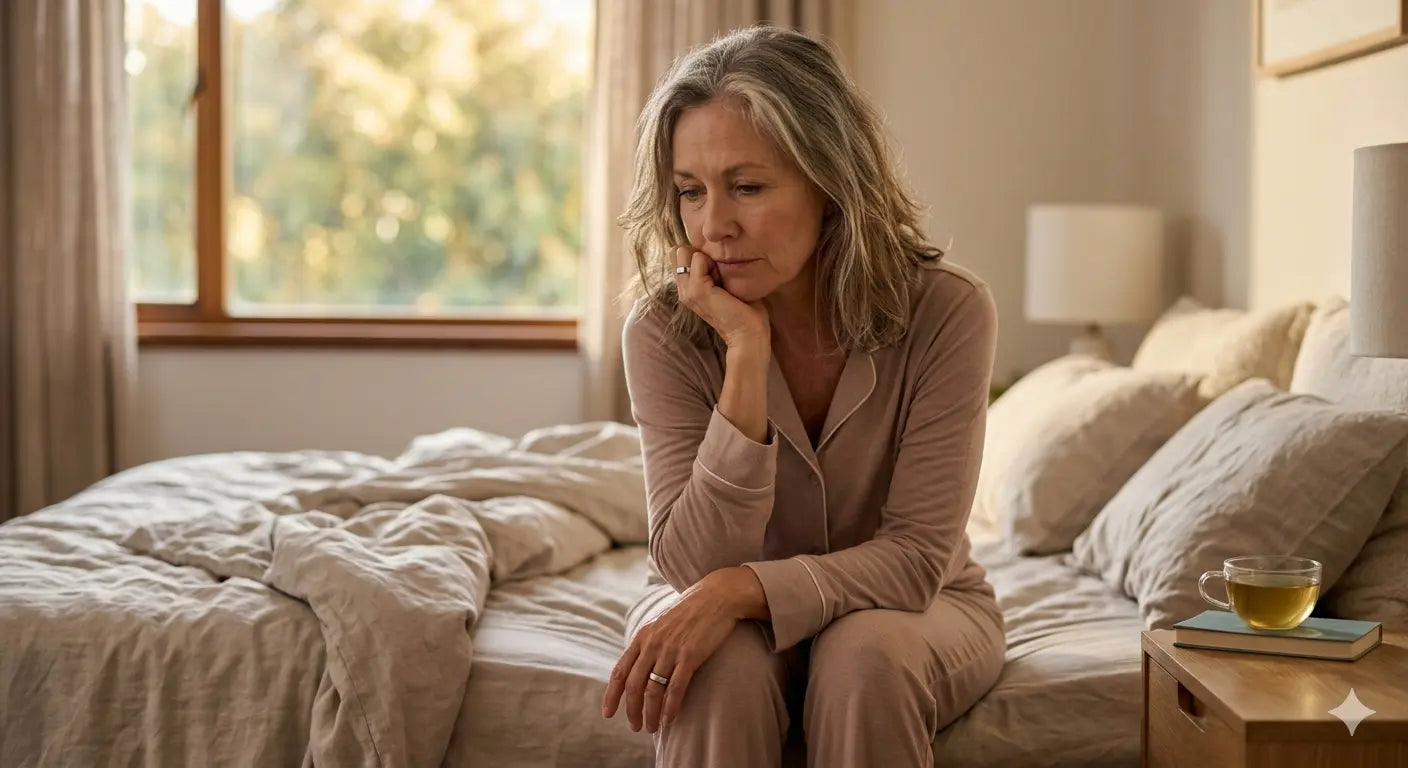
Many people know this feeling: you get up in the morning – and don't feel truly rested. You lack energy, small tasks require more effort, and by the evening, you are exhausted faster than before.
This is often simply accepted as "normal for your age." But it is not that simple. Behind this change, there are often several factors that interact – and which can be understood.
Why exhaustion rarely has just one cause
The human body is an interplay of heart, sleep, stress, movement, and metabolism. When one of these areas gets out of balance, it often affects all the others.
The most common influencing factors
- Restless or insufficient sleep
- Increased stress in everyday life
- Less exercise than before
- Changes in the cardiovascular system
These factors often reinforce each other. Poor sleep increases stress. Stress affects your pulse. An increased pulse can, in turn, disturb your sleep.
What research says about this
International studies show that three factors, in particular, are closely linked:
- Heart rate and heart rate variability (HRV)
- Sleep quality
- Everyday physical activity
A low HRV, for example, can indicate that the body is struggling to recover. At the same time, sleep analyses show that many people wake up more often without consciously noticing it.
These connections are important – because they explain why exhaustion often feels "diffuse."
Many people believe they sleep soundly for 7–8 hours. However, measurements often show that they wake up multiple times or get very little deep sleep.
Why individual measurements don't help much
A single pulse reading or one night of sleep doesn't tell you much. What is decisive is the trend over several days or weeks.
It is comparable to the weather: one cold day does not make a winter. Only patterns provide guidance.
The silent strength of modern health monitoring
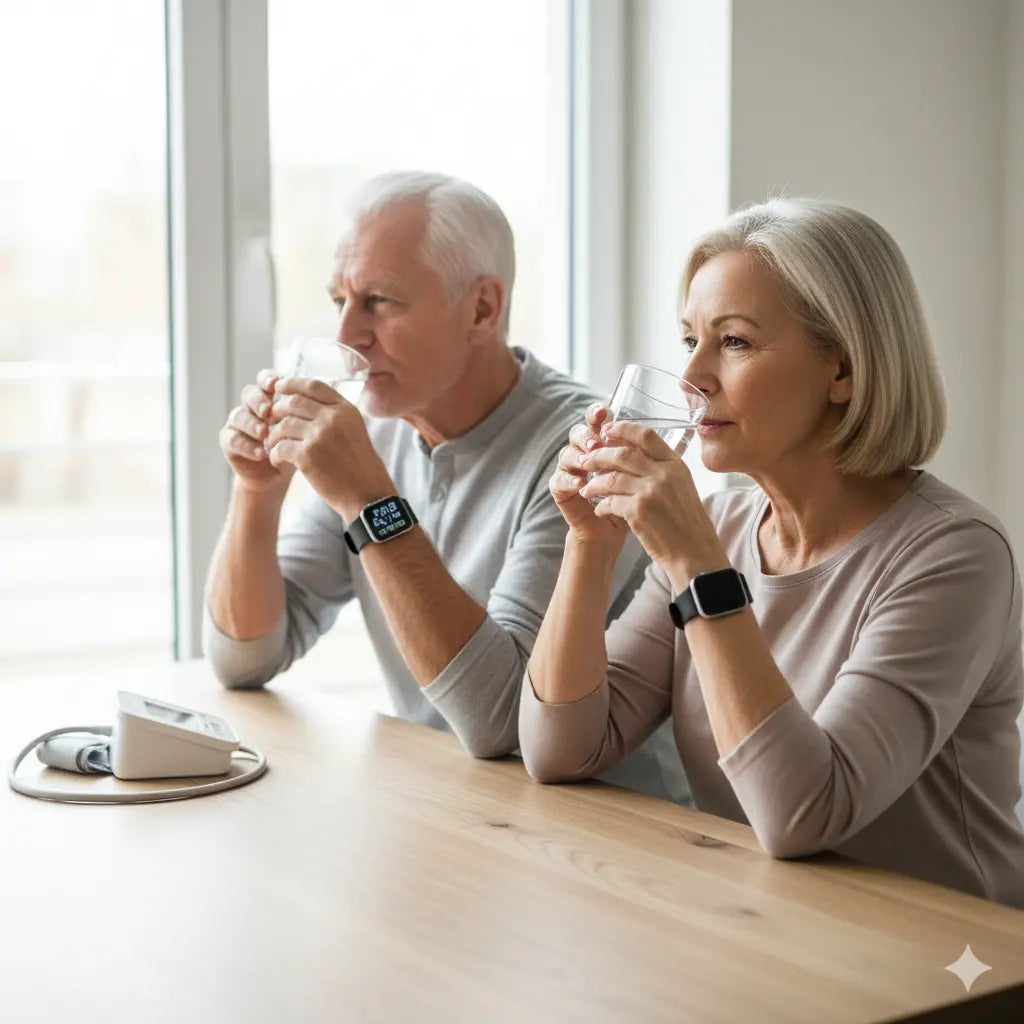
Modern wearables work exactly according to this principle. They measure continuously in the background – without you having to actively intervene.
This creates a calm, overall picture:
- How your sleep changes
- How your body reacts to stress
- How active you are in everyday life
This information does not help to make diagnoses. But it does help you to better understand your own body.
The difference between control and understanding
Many people make a crucial mistake: they try to control every single value.
But health works differently. It is not about control – but about understanding.
Do not check your values daily. A set time once a week is enough to recognize developments – and prevents unnecessary anxiety.
A simple 7-day start for more energy
Day 1–2
Simply observe. No judgment. Just perceive.
Day 3–4
Choose one thing: sleep or exercise. Nothing more.
Day 5–7
Recognize your first correlation. Example: Less exercise = poorer sleep.
This simple routine helps to rebuild trust in your own body.
A small self-check for your everyday life
Answer the following questions spontaneously:
- Do I often not feel truly rested in the morning
- Am I tired faster than I used to be
- Do I sleep restlessly or wake up more often
- Do I exercise less than I used to
If several points apply, it is worth looking at your everyday life more consciously – not critically, but curiously.
What really helps – without pressure
The most important factors are surprisingly simple:
- Regular exercise (even short walks)
- Consistent sleep times
- Conscious breaks in everyday life
- A better understanding of your own body
This is exactly where modern health solutions can support you – not as a means of control, but as a companion.
Which support can be useful in everyday life
Depending on your lifestyle, there are different options:
- Health watch – for active monitoring and detailed metrics
- Health band – for security and automatic measurement
- Health ring – for maximum comfort and unobtrusive analysis
The advantage: all variants work in the background and provide support exactly where it is needed in everyday life.
The best technology is the one you enjoy wearing. Comfort determines the benefit more than features do.
A gentle recommendation for your everyday life
If you would like a better overview of your sleep, energy, and stress levels without having to constantly operate a device, a subtle health ring can be a particularly pleasant solution.
It measures continuously in the background, analyzes sleep phases, and provides support through quiet reminders – without disturbing your daily routine.
You can find a selection of suitable solutions here:
View current health solutions at Kardena
Note: The mentioned devices are intended for general health support and guidance in everyday life. They do not replace a medical examination or diagnosis.